
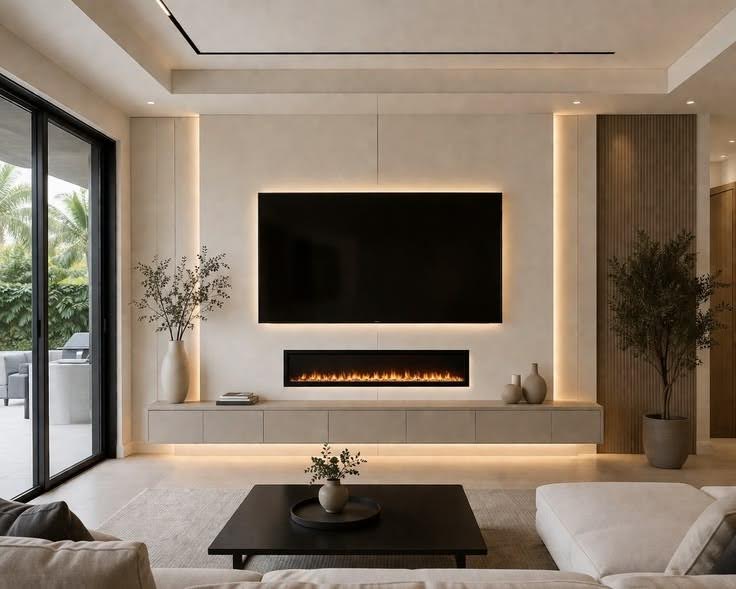
Interior wrapping has become one of the most popular renovation solutions in Dubai for homes, offices, restaurants, hotels, and retail spaces. Instead of replacing cabinets, furniture, walls, counters, or doors, property owners can now upgrade interiors quickly and affordably using high-quality architectural vinyl wraps. From luxury marble kitchens and modern office interiors to wood-finish furniture and decorative feature walls, vinyl wrapping offers a stylish alternative to traditional renovation.
This guide explains the complete step-by-step process of professional interior wrapping, helping Dubai homeowners and businesses understand how experts transform ordinary interiors into modern luxury spaces.
Interior wrapping is the process of applying specialised adhesive vinyl films over existing surfaces to create a completely new appearance.
Architectural vinyl wraps can replicate luxury materials such as:
These wraps are commonly used for:
Instead of removing old surfaces, wrapping upgrades them while reducing renovation costs and downtime.
While DIY wrapping kits are available, professional installation is essential for achieving:
Professional wrapping companies use advanced techniques, premium materials, and proper preparation methods to ensure high-quality results suited for Dubai’s climate and interior standards.
Every professional interior wrapping project begins with a consultation.
The wrapping company evaluates:
For Dubai properties, installers often recommend specific materials based on:
This stage also includes selecting finishes such as:
Proper planning ensures smoother installation and better long-term durability.
Surface preparation is one of the most important stages of the wrapping process.
Professionals carefully clean and prepare the surface to remove:
Damaged areas may also be repaired before wrapping begins.
Proper preparation helps:
Poor preparation is one of the main reasons low-quality wraps fail prematurely.
After preparation, installers take precise measurements of each surface.
The vinyl film is then carefully cut according to:
Professional installers minimise material waste while ensuring accurate fitment.
Precision is especially important for:
The vinyl is then applied using specialised installation techniques.
Professionals carefully:
Special tools such as:
They are used to achieve a seamless finish.
This stage requires experience and technical skill, particularly for complex surfaces.
Once the wrap is applied, heat is used to activate the adhesive and improve flexibility.
Heat application helps:
Edges and corners are carefully sealed to ensure long-term performance.
This step is especially important in Dubai, where:
can affect adhesive performance over time.
Professional installers complete the process with a detailed inspection.
They check for:
Any necessary adjustments are made before project completion.
High-quality wrapping companies focus heavily on finishing details to achieve a luxury appearance.
Most wrapping projects are completed much faster than traditional renovations.
Wrapping is significantly cheaper than replacing cabinets, furniture, or wall panels.
There is less:
This makes wrapping ideal for occupied homes and operational businesses.
Architectural wraps are available in hundreds of textures and finishes.
Wrapping allows existing furniture and surfaces to be reused instead of being discarded.
Improper application may lead to:
Low-quality wraps may fade or crack over time, especially in Dubai’s climate.
Specialised materials are necessary for kitchens, bathrooms, and high-temperature areas.
Professional expertise significantly affects durability and appearance.
Higher-quality films provide:
Kitchens, feature walls, and reception areas often create the strongest visual transformation.
Using mild cleaning products helps extend wrap lifespan.
Professional interior wrapping has transformed the way Dubai homeowners and businesses renovate their spaces. With fast installation, minimal disruption, affordable pricing, and luxury finishes, wrapping provides an effective alternative to traditional remodelling.
However, the quality of the final result depends heavily on proper preparation, premium materials, and professional installation techniques.
Understanding the step-by-step wrapping process helps property owners make informed renovation decisions while ensuring long-lasting and visually impressive results.
High-quality wraps typically last between 5–10 years, depending on maintenance and usage.
Yes. Wrapping is significantly more affordable than replacing furniture, cabinets, or wall panels.
Absolutely. Waterproof and heat-resistant wraps are commonly used in Dubai kitchens and bathrooms.
No. Professionally installed wraps generally do not damage underlying surfaces and can often be removed safely.
Yes. Most wrapped surfaces only require mild soap and a microfiber cloth for cleaning.
360Wraps provides premium interior vinyl wrapping services across Dubai for kitchens, furniture, offices, walls, restaurants, retail stores, and commercial interiors. Using high-quality architectural films and expert installation methods. Contact 360Wraps today to create stylish, durable, and modern spaces with minimal disruption and maximum visual impact.