
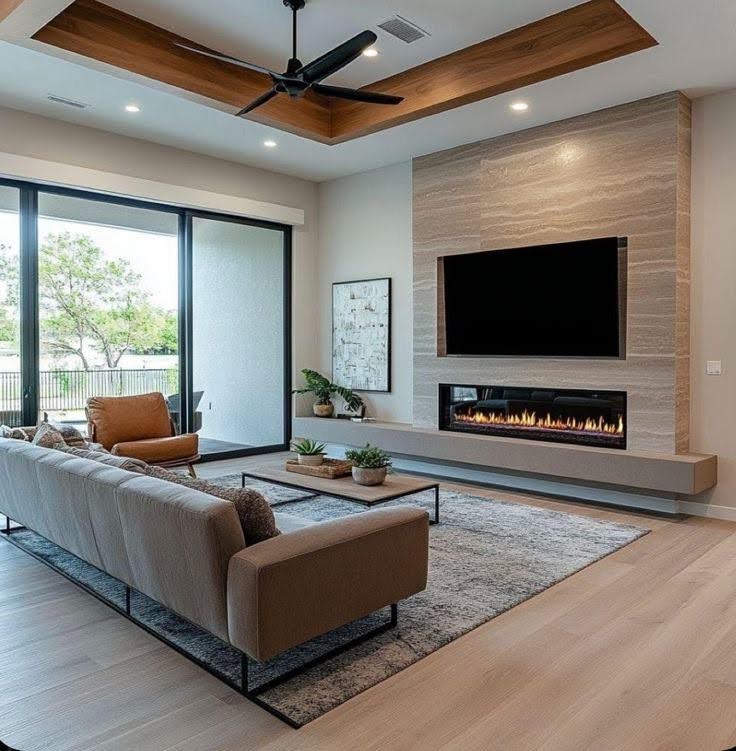
Interior wrapping has become one of the most popular renovation solutions in Dubai for both residential and commercial spaces. From luxury villas and apartments to offices, restaurants, retail stores, and hotels, property owners are increasingly choosing vinyl wrapping instead of traditional remodelling.
Interior wrapping allows surfaces such as kitchen cabinets, furniture, walls, doors, wardrobes, counters, and office interiors to be transformed using high-quality architectural vinyl films. These wraps replicate luxury finishes, including marble, wood, concrete, metallic, matte, and stone textures, without replacing the original surface.
This guide explores the pros and cons of interior wrapping for homes and offices, helping Dubai homeowners and businesses make informed renovation decisions.
Interior wrapping is the process of applying specialised adhesive vinyl films over existing surfaces to create a completely new appearance.
Architectural vinyl wraps are commonly used for:
Modern wraps are available in a wide range of finishes, including:
Instead of replacing furniture or fixtures, wrapping upgrades the existing surface while reducing renovation costs and project timelines.
One of the biggest advantages of interior wrapping is affordability.
Replacing kitchen cabinets, office furniture, or wall panels can be expensive in Dubai. Wrapping allows homeowners and businesses to modernise interiors without full replacement.
This helps reduce:
For many Dubai property owners, wrapping provides luxury aesthetics at a fraction of traditional renovation costs.
Traditional renovations often take weeks or months. Interior wrapping projects are usually completed within days.
This is especially beneficial for:
Minimal disruption makes wrapping highly practical for Dubai lifestyles.
Architectural vinyl wraps are available in hundreds of finishes and textures.
Popular design choices in Dubai include:
This allows complete customisation based on modern and luxury interior trends.
Interior wrapping supports sustainable renovation practices by reusing existing surfaces instead of replacing them.
This reduces:
Many environmentally conscious property owners in Dubai prefer wrapping for this reason.
Wrapped surfaces are generally easy to clean and maintain.
Most surfaces only require:
Premium wraps are resistant to:
Poor installation can significantly affect the final appearance and lifespan of the wrap.
Improper application may lead to:
Professional installation is essential for achieving premium results.
Not all vinyl wraps are equal in quality.
Low-cost materials may:
Dubai’s heat and humidity can accelerate wear on inferior materials.
Certain areas, such as kitchens, may expose wraps to high temperatures.
Direct heat from:
It can damage low-quality wraps if proper heat-resistant materials are not used.
Although durable, vinyl wraps are not completely scratch-proof. Cutting directly on wrapped countertops or dragging sharp objects may damage the surface. Proper care is important for long-term durability.
Wrapping works best on smooth and structurally sound surfaces.
If cabinets or furniture are:
They may require repair or replacement before wrapping.
Homeowners in Dubai commonly use wrapping for:
Wrapping is especially popular in apartments and villas where fast, stylish upgrades are preferred over lengthy remodelling projects.
Commercial offices use wrapping to modernise:
Modern office wrapping improves:
while minimising business interruption.
Professional workmanship is critical for durability and appearance.
Higher-quality architectural films provide:
Kitchens, reception areas, and feature walls usually deliver the strongest visual transformation.
Proper cleaning and care help maximise the lifespan of wrapped surfaces.
Interior wrapping has become one of the most practical and stylish renovation solutions for homes and offices in Dubai. It offers a fast, affordable, and modern alternative to traditional remodelling while providing impressive design flexibility and luxury aesthetics.
Although wrapping comes with certain limitations, choosing premium materials and experienced installers can significantly improve durability and performance.
For Dubai homeowners and businesses looking to modernise interiors without major construction work, interior wrapping remains a smart and cost-effective investment.
High-quality interior wraps typically last between 5–10 years, depending on maintenance and usage.
Yes. Wrapping is significantly more affordable than replacing cabinets, furniture, or wall panels.
Absolutely. Waterproof and heat-resistant wraps are commonly used in Dubai kitchens and bathrooms.
Yes. Most surfaces only require mild soap and a microfiber cloth for regular maintenance.
No. Professionally installed wraps generally do not damage original surfaces and are often removable.
360Wraps provides premium interior vinyl wrapping services across Dubai for kitchens, offices, furniture, walls, retail stores, restaurants, and commercial interiors. Using high-quality architectural films and expert installation techniques. Contact 360Wraps today to help transform ordinary spaces into stylish, durable, and modern environments with minimal disruption.