
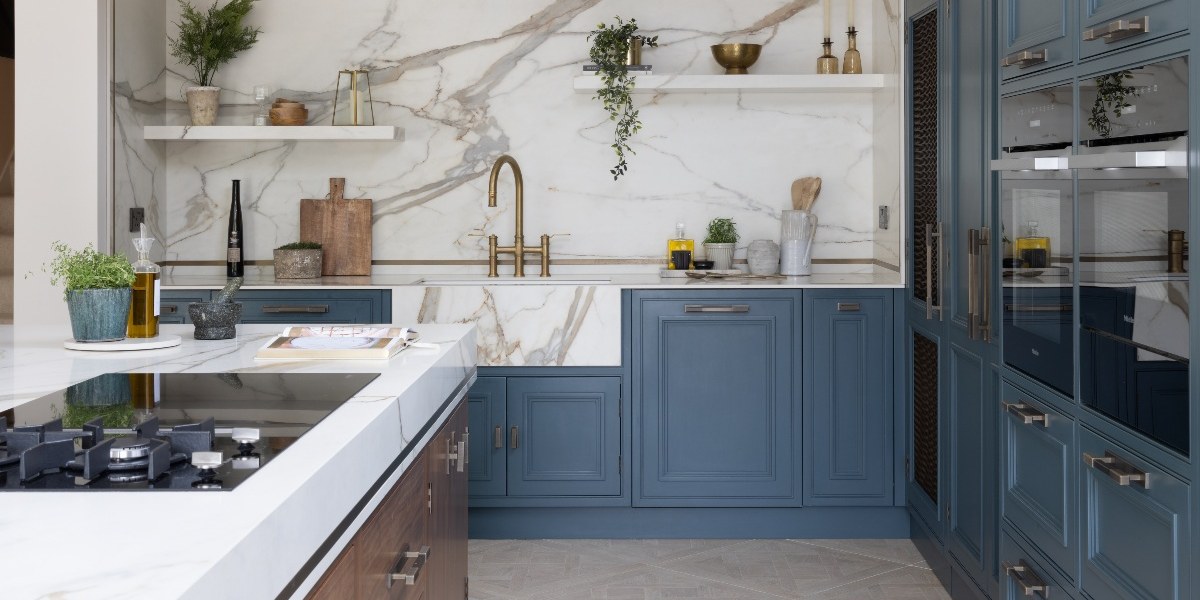
In Dubai kitchens, aesthetics alone are not enough. Cabinet finishes must perform under pressure constant heat, aggressive steam, and sharp temperature fluctuations that are uniquely amplified by the region’s climate and cooking habits. One area consistently exposed to the harshest conditions is what industry professionals call the “hob-zone”: the cabinets directly above, beside, and adjacent to cooktops are exactly the kind of high-contact detailing we see daily in kitchen cabinet wrap Dubai projects.
At 360 Wraps UAE, we have wrapped thousands of kitchens across villas, apartments, and commercial spaces. Over time, a clear pattern emerges: cabinet damage rarely starts in the center of the kitchen; it starts at the hob-zone edges. Understanding why this happens, and how to prevent it is the difference between a wrap that lasts years and one that fails prematurely.
Heat rises. Steam condenses. Oils aerosolize. In a Dubai kitchen, these factors are intensified by high ambient temperatures and extended cooking cycles. According to interior fit-out performance studies, cabinet surfaces near cooking zones can experience localized temperatures exceeding 80–100°C, especially during peak cooking times.
Traditional laminate and paint finishes often react poorly to this stress. Vinyl architectural films, when improperly selected or installed, can also fail but only when best practices are ignored.
The most common hob-zone failures include:
These are not material flaws — they are application and specification errors.
Edge-lift occurs when heat and moisture penetrate the weakest point of a cabinet door: its edges. Steam from boiling pots condenses behind doors. Heat softens low-grade adhesives. Repeated cycles cause gradual release.
Independent materials testing shows that architectural vinyl films rated below 90°C are unsuitable for hob-adjacent cabinetry. At 360 Wraps, we specify heat-resistant films rated up to 110°C for all high-risk zones, ensuring thermal stability even during intense cooking periods However, material choice alone is insufficient.
In our experience, over 70% of early wrap failures in Dubai kitchens stem from poor surface preparation or incorrect edge finishing. Hob-zone cabinetry demands:
We do not “stretch and stick.” We engineer adhesion.
This approach is why professionally wrapped cabinets consistently outperform painted finishes, which often begin chipping or discoloring within 24–36 months in similar conditions.
One of the most underrated factors in cabinet longevity is airflow management. Studies in residential kitchen design indicate that effective extraction can reduce surface heat exposure by up to 40%.
We advise clients to:
A wrap installed in a poorly ventilated kitchen no matter how premium will always be underperforming its potential lifespan.
Matte and textured architectural films outperform high-gloss finishes in hob-zones due to lower thermal reflection stress. Dark gloss films absorb more heat and require stricter ventilation and spacing controls.
At 360 Wraps, we guide clients toward function-first design decisions, balancing aesthetics with durability particularly in rental properties, family homes, and high-use kitchens, where interior wrapping Dubai standards demand both visual consistency and material discipline under daily exposure.
Replacing kitchen cabinetry in Dubai can cost AED 30,000–60,000, excluding downtime and demolition waste. Professionally executed wrapping reduces this by up to 50%, while preserving existing layouts and reducing environmental impact.
More importantly, localized re-wrapping is possible. If a single hob-zone panel sustains damage, it can be rewrapped independently, an option impossible with factory-finished cabinetry.
Properly wrapped hob-zone cabinets can last 7–10 years or longer with simple care:
Preventive care is far less costly than corrective replacement. Kitchen wrapping is not a cosmetic shortcut, it is a performance-driven refurbishment system when executed correctly. The hob-zone is where expertise shows. Material selection, installation precision, ventilation planning, and client education must work together.
At 360 Wraps UAE, we design for Dubai’s kitchens as they are actually used not as they appear in catalogs. That is why our wrapped kitchens do not merely look new, they stay that way. If your cabinets sit near heat, steam, and daily cooking intensity, the solution is not avoidance.
It is engineering the wrap to withstand reality.